Molynia: A Luxurious Script Typeface for Modern Web Design
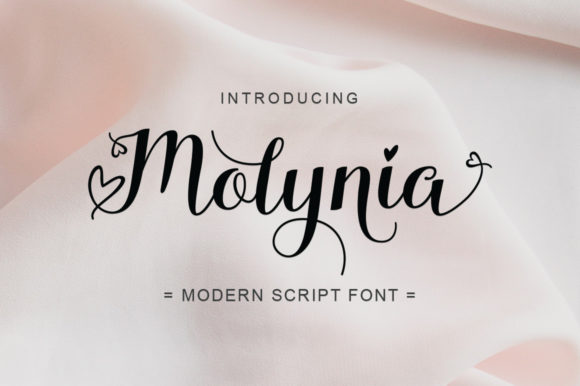
Molynia is a romantic and sweet calligraphy typeface that brings a touch of elegance to any digital design. Its flowing, dancing characters create a sense of movement and grace, making it ideal for web designers and digital creators who want to infuse luxury into their projects. Whether used in a landing page header, a boutique online store, or a creative portfolio, Molynia adds visual interest and emotional depth to brand-focused web experiences.
Why Molynia Works for Web Design
As a script font, Molynia shines in digital spaces where personality and visual hierarchy matter. Its PUA encoding ensures that special glyphs and alternate characters are accessible across platforms, giving designers more creative flexibility. While script fonts can sometimes sacrifice readability, Molynia balances ornamental beauty with digital clarity, especially when used at larger sizes in hero sections or logo text.
For web designers, this font is best suited for short-form, high-impact uses such as:
- Hero titles on landing pages
- Call-to-action buttons with a soft, inviting tone
- Logo and brand name display
- Decorative accents in blog headers or social media graphics
Enhancing Brand Tone with Molynia
Font choice plays a critical role in shaping brand identity. Molynia’s romantic and whimsical character makes it a perfect match for brands that want to feel approachable, feminine, and refined. It works especially well for lifestyle brands, wedding services, beauty entrepreneurs, and creative professionals who need a typeface that feels personal yet polished.
When integrating Molynia into a brand’s digital presence, consider using it consistently in key visual areas such as:
- Homepage banners
- Testimonial quotes
- Newsletter headers
- Pricing section highlights
This consistency reinforces brand recognition and helps create a cohesive online identity.
Practical Uses in Digital Layouts
In a real-world web design context, Molynia performs best when paired with clean, functional fonts. For example, using Molynia as a header font with a modern sans serif like Open Sans or Lato for body copy creates a strong visual contrast that guides user attention effectively. This pairing also maintains readability while enhancing the emotional tone of the design.
Here are a few practical use cases for Molynia in digital products:
- Creative portfolios: Use Molynia for project titles and artist names to give a personal, hand-crafted feel.
- Boutique online stores: Apply it to product names or special promotions for a boutique aesthetic.
- Coaching and wellness websites: Feature it in testimonials or service titles to evoke warmth and trust.
- Course sales pages: Use it in the headline and instructor name to add a touch of elegance.
- Blog headers: Style post titles with Molynia to stand out in a content feed.
Readability Considerations for Web Designers
While Molynia is visually striking, it’s important to use it thoughtfully for digital readability. As with most script fonts, extended body text is not recommended. Instead, reserve Molynia for short phrases, headings, and accents where its character can shine without compromising user experience.
For mobile screens, ensure that Molynia elements are large enough to read without strain. On dark backgrounds, test contrast levels to maintain legibility. When overlaying text on images, consider adding a subtle background overlay or drop shadow to keep the typeface readable without losing its decorative appeal.
Font Pairing and Visual Hierarchy
Effective font pairing is essential in UI design. Pairing Molynia with a simple sans serif or serif font allows it to stand out while keeping the overall layout balanced. For example:
- Molynia + Montserrat: Elegant contrast for a modern editorial feel.
- Molynia + Merriweather: Classic serif pairing for a refined, timeless look.
- Molynia + Roboto: Clean and modern for tech or service-based brands.
These combinations help establish a clear visual hierarchy, guiding the user’s eye from headline to supporting content with ease.
What to Look for When Using Molynia
Before integrating Molynia into a live site or client project, always check the font package for the following features:
- Available styles (regular, bold, italics)
- Webfont formats (WOFF, WOFF2, TTF)
- Alternate characters and ligatures
- Multilingual support for international branding
Having multiple weights and stylistic sets can expand the font’s usability across different design elements, from logo design to packaging design and beyond.
Licensing and Commercial Use
When working with premium fonts like Molynia, it’s crucial to ensure proper licensing for web and digital use. Many fonts require specific licenses for use in online stores, client websites, or downloadable templates. Always verify that the font includes a commercial license and supports the platforms you're using—whether it's a Shopify store, WordPress site, or Figma-based design system.
Using a properly licensed font not only protects your work but also supports the type designers who create these valuable design assets.