Haunted Font: Elevating Web Design with Elegant Script Typography
As a web designer, typography is one of the most powerful tools I have at my disposal to shape user experience, establish visual hierarchy, and communicate brand tone. When I discovered Haunted, a chic, refined script font from the Script Amp category, it immediately stood out as a versatile typeface for digital projects that demand both personality and professionalism.
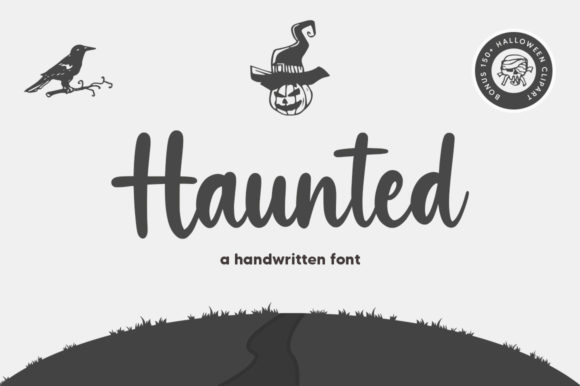
Haunted is not your average script font. It carries a sense of elegance that feels both modern and timeless. The flowing strokes and carefully designed alternates give it a unique voice—perfect for projects that need a touch of sophistication without sacrificing readability. Whether used for a hero title, logo, or branded content section, Haunted adds visual interest while maintaining clarity across devices.
How Haunted Enhances Web Layouts
In digital design, every font must earn its place. It’s not enough for a typeface to look good—it has to support usability, readability, and brand consistency. Haunted performs exceptionally well in this regard, especially when used for short, high-impact text elements.
For example, I’ve used Haunted in hero sections of landing pages where the headline needs to feel expressive but not overwhelming. Its clean curves and open spacing allow it to shine on both light and dark backgrounds. When layered over images or video backgrounds, Haunted remains legible and draws the eye naturally without competing with surrounding visuals.
Visual Hierarchy and Brand Tone
One of the key roles of typography in web design is to guide the user’s eye through the page. Haunted excels in top-of-page elements like headers and subheaders. Its decorative nature makes it ideal for section titles, call-out text, or branding accents—places where you want to establish a refined tone without using it for long-form content.
When designing a boutique online store or a personal coaching website, I often pair Haunted with a clean sans serif like Open Sans or Lato. This creates a strong contrast between decorative headlines and functional body text, enhancing readability and reinforcing brand identity. The font’s ligatures and stylistic alternates allow for subtle customization, making each project feel unique and intentional.
Best Use Cases for Haunted in Digital Design
Haunted works best in contexts where visual impact matters more than extended reading. Here are some of the most effective use cases I’ve found:
- Hero Titles – Perfect for landing pages and marketing sites that need a memorable headline.
- Logo Text – Adds a touch of elegance and distinctiveness to brand identities.
- Call-to-Action Buttons – Especially effective when styled with contrast and whitespace.
- Banners and Headers – Works well in Shopify stores, blog headers, and social media graphics.
- Portfolio and Creative Sites – Ideal for designers, artists, and entrepreneurs looking to stand out.
It’s less suitable for long paragraphs or small interface elements, but when used strategically, it enhances the emotional tone of a design without compromising usability.
Responsive Design and Readability Tips
Haunted scales well on both desktop and mobile screens, but like any script font, it requires thoughtful application at smaller sizes. I recommend using it at 24px or larger for mobile headers and ensuring adequate contrast against backgrounds. On dark backgrounds, I often increase letter spacing slightly to prevent the strokes from blending together.
When overlaying Haunted on images, I use semi-transparent background blocks or text shadows to ensure legibility. For buttons or banners, pairing it with bold weights or solid icons helps anchor the design and maintain visual balance.
Font Pairing Strategies
One of the joys of working with display fonts like Haunted is the opportunity to pair them with complementary typefaces. For a modern, minimalist site, I often combine Haunted with a geometric sans serif like Avenir or Futura. For more editorial-style layouts, a serif font like Playfair Display or Georgia provides a classic contrast.
The key is to let Haunted take center stage in headlines while relying on simpler fonts for navigation menus, body copy, and form labels. This ensures the design feels cohesive and avoids visual clutter.
Technical Considerations for Web Use
Before embedding Haunted into a live website or client project, it’s important to check the font’s technical specs. Make sure the package includes webfont formats like WOFF and WOFF2, which are optimized for performance and compatibility. If your project targets multilingual audiences, verify that the font supports extended Latin characters and diacritics.
Also, explore the stylistic alternates and ligatures included in the font files. These can be activated via CSS with font-feature-settings or through design tools like Figma and Adobe XD, giving you more control over typographic nuance.
Licensing and Commercial Use
As with any design asset, licensing is crucial. Haunted is typically available under a commercial font license, which means it can be used in client websites, online stores, landing pages, and digital templates. Always confirm the specific terms from your source—some platforms require a separate webfont license for live site deployment.
For SaaS founders and digital product creators, using a premium font like Haunted can elevate the perceived value of your offering. Just make sure to keep font license documentation organized, especially when handing off projects or using them in downloadable templates.
Final Note on Brand Consistency
Fonts are more than aesthetic choices—they’re part of a brand’s visual language. Haunted brings a sense of elegance and modernity that’s hard to replicate with generic system fonts. Whether you’re designing a personal blog, a product launch page, or a brand identity kit, this script font helps establish a consistent, memorable tone across digital touchpoints.
When used with intention and paired thoughtfully, Haunted becomes more than a font—it becomes a design asset that strengthens your digital presence and supports your brand’s story.